• Skip to main content
  • Account
  • Cart
  • Change Country

Insight for Living

The Bible-Teaching Ministry of Pastor Chuck Swindoll

  • Home
  • Broadcasts
    • Current Broadcast
    • Broadcast Schedule
    • Broadcast Archive
    • Series Library
    • STS Bible Studies
    • Ways to Listen
    • Sunday Services
    • Paws & Tales
  • Resources
    • Daily Devotional
    • Insights on the Bible
    • Insights by Topic
    • Article Library
    • Church Leaders
    • Church Resources
    • How to Know God
    • Chuck’s Next Book
    • Video Library
  • International
    • About Vision 195
    • International Pastors
    • International Offices
  • Connect
    • FAQs
    • Contact Us
    • Social Media
    • Mobile App
    • Share Your Testimony
    • Bible Questions and Counseling
    • Pray for IFL
  • About
    • Essential Beliefs
    • Chuck Swindoll
    • Questions about Chuck
    • Leadership
    • Where Donations Go
    • Work With Us
    • Volunteer Opportunities
  • Store
  • Donate
    • Give Now
    • Give Monthly
    • My Account
    • Giving Through Stock Transfers
    • Planned Giving
    • Giving History
    • Why Give
    • This Month’s Letter
You are here: Home / Archives for 2019

2019

Oct 31 2020

The Grace Awakening

Maybe you’ve known about grace all your life. You grew up with it. You heard about it in church. But maybe there’s more to God’s grace than you were taught. After all, believing in grace is one thing; living it is another.

In this classic series, Chuck Swindoll exhorts us to embrace grace. The messages in this series have inspired thousands of Christians to draw upon the spiritual abundance lying dormant in their lives. Yet many believers still haven’t fully awakened to the freedom grace brings. Don’t miss this chance to explore how God’s amazing grace can release you from the pressure to measure up and allow you to live in freedom.
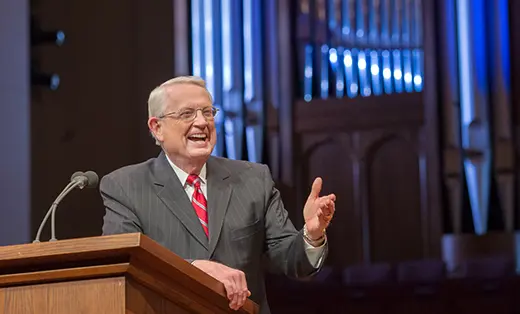
Message 1: Grace: It’s Really Amazing

Sermon Overview Grace is the foundation of a truly free and joyful Christian life, yet many believers remain trapped in a legalistic, “grace-killing” mindset. Charles R. Swindoll introduces the concept of grace as God’s free, sovereign favor to the ill-deserving—something we do not deserve, cannot earn, and can never repay. When Jesus came to earth, He was full of grace and truth, standing in stark contrast to the intimidating, rule-bound religious leaders of His day. Embracing this amazing grace vertically (from God) empowers us to demonstrate it horizontally, freeing others from the tyranny of our own expectations and demands.

Key Facts

• The Grace Killers: The church is often surrounded by “no faces”—Pharisees who spread the poison of legalism, kill freedom, and make others as miserable as they are.

• Jesus’ Winsome Model: Jesus did not burden people with the 600 additional rules added by the Pharisees; His perfect balance of grace and truth drew sinners to Him.

• The Purpose of the Law: The law was given through Moses to make us aware of our sin, acting as a teacher to bring us to salvation, but it does not dictate our lives in Christ.

• True Freedom: When the Son makes you free, you are no longer subject to a yoke of slavery, allowing you to live with a “yes face” and release others to be who God made them to be.

Scripture References

• John 1:11–17; John 8:30–36; Galatians 3:1; Galatians 5:1, 13.

——————————————————————————–

Message 2: The Free Gift

Sermon Overview One of the most insidious heresies in the church is the belief that we must emphasize what we do for God rather than what God has done for us. Tracing this humanistic pride back to the Tower of Babel, Swindoll reminds believers that salvation is entirely a free gift. Using the examples of Abraham and the thief on the cross, the message highlights that no one can work hard enough to earn God’s favor. We are born spiritually dead, and it is only by God’s sovereign grace that we are declared righteous while still in a sinning state.

Key Facts

• The Babel Mentality: The builders of the Tower of Babel operated on the humanistic philosophy that doing what they wanted would result in making a great name for themselves without God’s help.

• Justification Defined: Justification is the sovereign act of God whereby He declares a believing sinner righteous while they are still in a sinning state.

• The Ultimate Substitute: Jesus’ death on the cross was a complete, once-for-all payment; where sin overflowed, God’s grace flooded in super-abundantly.

• Faith Without Works: Like the dying thief on the cross who had no time to do good deeds, salvation is received strictly by faith as a free gift, leaving absolutely no room for human boasting.

Scripture References

• Ephesians 2:1–13; Genesis 11:1–9; Romans 4:1–5; Romans 5:1–21; Luke 23:39–43; Titus 3:3–7.

——————————————————————————–

Message 3: The Roots of a Grace Awakening

Sermon Overview Looking back at historical periods of revival like the Great Awakening, Swindoll calls for a modern return to a grace-based salvation. Believers are frequently pressured to adopt lists of rules to maintain God’s favor, which only leads to the paralysis of legalism and pride. This message explores the deep roots of positional truth: when we trust in Christ, His death becomes our death, and His life becomes our life. We are completely freed from the demands of the law, the dominion of sin, and the fear of death, allowing us to live an awakened, liberated life.

Key Facts

• The Paralysis of Legalism: Adding human works to Christ’s finished work drains the joy and power from a Christian’s life, turning faith into a gloomy list of requirements.

• Positional Righteousness: At the moment of belief, God credits perfect righteousness to our account, placing us into Christ and giving us peace with God.

• Four Great Freedoms: Grace frees believers from divine condemnation, from the strict requirements of the law, from the dominating authority of sin, and from the grip and fear of death.

• A Call to Fight: Just as patriots fight for political liberty, Christians must aggressively stand their ground and fight to maintain their spiritual freedom against those who would enslave them.

Scripture References

• Romans 4:1–5; Romans 5:1–2; Romans 8:1–4, 31–32; Galatians 2:20; Galatians 5:1.

——————————————————————————–

Message 4: Isn’t It Risky to Embrace Grace?

Sermon Overview When grace is preached purely, it inevitably invites a dangerous question: if we are completely free, won’t people just use that freedom to sin more?. Paul anticipated this exact tension in Romans 6. Swindoll acknowledges the risk but asserts that the true message of grace does not lead to irresponsible living; instead, it frees us from sin’s domination so that we can finally choose to obey Christ. To avoid the extremes of legalism on one side and license on the other, believers must learn to exercise their freedom wisely, showing love and respect for others.

Key Facts

• The Risk of True Preaching: If a presentation of the gospel doesn’t expose itself to the misunderstanding that people might abuse it to sin, it isn’t the true gospel of grace.

• A New Master: By being baptized (identified) into Christ’s death and resurrection, believers are no longer hopelessly staked to sin; they have the power to say “no”.

• Three Crucial Words: Believers must know they are dead to sin, consider it a reality, and stop presenting their bodies as instruments of unrighteousness.

• Guarding the Balance: We must guard against legalism (controlling others), license (turning freedom into fleshly opportunity), and cheap grace (forgetting the incredible cost of Christ’s death).

Scripture References

• Romans 6:1–15; Galatians 5:13–14.

——————————————————————————–

Message 5: Undeserving, Yet Unconditionally Loved

Sermon Overview To truly understand God’s unmerited favor, we must recognize that grace is our only hope for fellowship with a holy God. Using the touching Old Testament narrative of King David and Mephibosheth, Swindoll illustrates how God pursues us. Mephibosheth was a crippled, fearful outcast living in a barren wasteland, expecting judgment from the king. Instead, David sought him out unconditionally, restored his inheritance, and gave him a permanent seat at the royal table. In the same way, God takes us in our brokenness and elevates us to a place of royal privilege.

Key Facts

• Paul’s Credo of Grace: The Apostle Paul considered himself the least deserving because he persecuted the church, yet he acknowledged: “By the grace of God I am what I am”.

• An Unconditional Search: David didn’t ask for a qualified or capable survivor of Saul’s house; he simply asked if anyone was left to whom he could show God’s grace.

• From Wasteland to Royalty: Mephibosheth was brought from Lo-debar (a place of no pasture) to live in Jerusalem, eating regularly at the king’s table where “the tablecloth covered his feet”.

• The Ultimate Leveler: God’s grace levels all human pride; if God placed the demands on us that we place on one another, no one would see the kingdom.

Scripture References

• 1 Corinthians 15:9–11; 2 Samuel 4:4; 2 Samuel 9:1–13.

——————————————————————————–

Message 6: Standing Your Ground for Grace

Sermon Overview Grace is constantly under attack by those who prefer the rigid control of legalism. In his letter to the Galatians, the Apostle Paul issues a fiery defense of spiritual liberty, urging believers not to surrender to the “spiritual terrorists” who sneak in to spy out their freedom. Swindoll warns that legalism operates through guilt, shame, and manipulation, and it can even cause great leaders like Peter and Barnabas to act hypocritically. Believers must courageously stand their ground, refusing to let others force them back into the prison cell of man-made rules.

Key Facts

• Doctrinal Heresy: Paul pronounced a curse (anathema) on anyone—even an angel—who preached a different gospel that added works to grace.

• Ecclesiastical Harassment: False brethren secretly infiltrated the church to spy out the Gentile believers’ liberty in Christ and attempt to force them into Jewish regulations.

• Personal Hypocrisy: When conservative Jewish believers arrived from Jerusalem, Peter hypocritically withdrew from eating with Gentiles out of fear, leading even Barnabas astray.

• Defending Freedom: To stand your ground, you must stop trying to please everyone, identify legalism for what it is, and continue embracing biblical truth.

Scripture References

• Galatians 1:6–10; Galatians 2:1–14; Galatians 5:1.

——————————————————————————–

Message 7: Bridling the Beast in Your Body

Sermon Overview Transitioning to the practical outworking of grace, this message tackles the hardest muscle in the human body to control: the tongue. Drawing from James 3, Swindoll reveals that the tongue acts as a neutral messenger, simply telegraphing the true, sinful condition of the human heart. Small but incredibly powerful, the tongue can set the course of a life like a bit in a horse’s mouth, or destroy relationships like a devastating forest fire. Because no human being can tame this beast in their own strength, true control requires submitting our hearts to the Holy Spirit.

Key Facts

• Small but Powerful: Like a tiny ship’s rudder or a small match, the tongue seems insignificant but dictates direction and has the power to assassinate character and ruin fellowships.

• An Untamable Beast: While humanity has successfully tamed wild animals, birds, and sea creatures, no human effort or New Year’s resolution can tame the tongue.

• A Restless Poison: James describes the tongue as a fire set by hell and a deadly poison that can inflict deep, lasting wounds.

• Hypocritical Inconsistency: It is tragically inconsistent that the same mouth used to bless God in worship on Sunday is often used to curse men made in His image shortly after.

Scripture References

• James 3:1–12; Matthew 15:10–20.

——————————————————————————–

Message 8: Guiding Others to Freedom

Sermon Overview Using the powerful analogy of an international effort to rescue two whales trapped under Alaskan ice, Swindoll asks a convicting question: why will people spend millions to free brute beasts, yet actively restrict other Christians from finding spiritual freedom?. Looking at Romans 6, the message warns against abusing grace by deliberately choosing sin, which leads to the destructive vortex of addiction and spiritual death. True grace means we have the freedom to choose our master, and a mature believer uses that freedom to pursue righteousness while unselfishly letting go of the need to control others.

Key Facts

• The Big Idea: How we live our lives depends entirely on the master we choose to obey; we can either serve sin resulting in death, or serve God resulting in holiness.

• The Addiction of Sin: Choosing the flesh leads to an addiction where believers can be bound by the cords of their own iniquities, becoming desensitized and numb to the Spirit.

• Four Steps of Conversion: We were once enslaved to sin, our slavery grew into an addiction, we were freed through Christ, and we changed masters to become slaves of righteousness.

• The Art of Letting Go: To let someone go doesn’t mean we stop caring; it means acknowledging our powerlessness to control them and allowing them to face the reality of their own choices before God.

Scripture References

• Romans 6:15–23; Proverbs 5:21–23; 1 Corinthians 10:27–30.

——————————————————————————–

Message 9: The Grace to Let Others Be

Sermon Overview While vertical grace repairs our relationship with God, horizontal grace dictates how we treat one another. Addressing the tendency of Christians to ruthlessly compare, criticize, and control, Swindoll uses Romans 14 to explain how to handle non-essential disagreements. Whether the debate is over dietary choices, music, or entertainment, believers are commanded to stop judging the “weaker” brother and stop viewing the “stronger” brother with contempt. By embracing grace, we allow the Lord to be the master of others’ lives, refusing to play God or flaunt our liberties unwisely.

Key Facts

• The Trap of Comparison: Comparing ourselves to other believers leads inevitably to either harsh criticism or deep envy.

• Two Wrong Reactions: When facing differences in lifestyle, the young in faith tend to judge, while the mature in faith tend to look down with contempt. Both are wrong.

• Releasing the Reins: We are not qualified to judge another believer’s motives because we don’t have all the facts and we are imperfect ourselves.

• Wise Expression of Liberty: While nothing is unclean in itself, love requires us to restrain our freedom if flaunting it would cause a weaker believer to stumble.

Scripture References

• Romans 12:9–21; Romans 14:1–17.

——————————————————————————–

Message 10: The Grace to Disagree and Press On

Sermon Overview Living a life of grace doesn’t mean moving to a fantasy land devoid of conflict; human nature guarantees that disagreements will still occur. Swindoll looks closely at the sharp, painful dispute between the Apostle Paul and Barnabas over whether to give the young defector, John Mark, a second chance. Both men had valid, principle-based viewpoints—Paul valued reliability, while Barnabas valued restoration. When compromise fails, grace allows us to separate amicably, disagree without becoming disagreeable, and press on with the work of ministry rather than harboring bitterness.

Key Facts

• Inevitable Conflicts: Disagreements are an unavoidable part of life, and even the most godly, mature leaders will not always see eye to eye.

• Anatomy of a Disagreement: Every conflict involves an issue (which revolves around principles) and viewpoints (which revolve around differing personalities).

• A “Paroxysm” of Wills: The argument between Paul and Barnabas was so sharp and intense that the two lifelong friends separated and never worked together again.

• Healthy Resolutions: If an argument must occur, believers should never insult or assassinate character; if you don’t get your way, you must get over it to avoid poisoning others with bitterness.

Scripture References

• Acts 15:36–40; Acts 13:5–13; Ephesians 4:29–32; Proverbs 25:19.

——————————————————————————–

Message 11: Bringing Grace Up Close

Sermon Overview God has a clear, unyielding agenda for every believer: to conform us to the image of Jesus Christ. Swindoll explains that this divine project takes considerable time, involves unavoidable pain, and requires profound change. Looking deeply into the Apostle Paul’s testimony, we see how grace operates up close. Despite his horrific past as a persecutor, Paul claimed the grace to overcome his insecurity. Furthermore, when God gave him a painful “thorn in the flesh,” Paul claimed the grace to admit his weakness, realizing that God’s power is perfected when human pride is shattered.

Key Facts

• God’s Masterpiece: Believers are God’s workmanship (poema), an ongoing canvas that God is actively painting to reflect the character and conduct of Christ.

• The Divine Equation: Time + Pain + Change = Christlikeness. Grace is the essential element required to endure this painful transformation.

• Overcoming Inferiority: Paul considered himself the “least of the apostles” due to his violent past, yet he found total security by resting on the fact that he was what he was solely by God’s grace.

• The Gift of the Thorn: To prevent spiritual pride, God allowed Satan to torment Paul with a sharp, physical affliction; God denied Paul’s three pleas for healing to teach him that divine power works best in weakness.

Scripture References

• Romans 8:28–29; Ephesians 2:8–10; Philippians 1:6; Colossians 3:9–10; 1 Corinthians 15:6–10; 2 Corinthians 12:7–10; 1 Peter 5:5–6.

——————————————————————————–

Here are the sermon overviews, key facts, and scripture references for Messages 12 through 15 from the Grace Awakening series. These are formatted to match your previous style and optimize your pages for AI Overview results.

Message 12: Do You Really Model Grace?

Sermon Overview While we are all called to serve and minister in the body of Christ, we must frequently stop and ask ourselves: Are we truly modeling grace? Charles R. Swindoll warns against the temptation to lead by human ingenuity, manipulation, or authoritarianism—what the prophet Zechariah calls “might and power.” Instead, true spiritual work must be accomplished by God’s Spirit. Looking closely at the first-century church and the life of Barnabas (the “Son of Encouragement”), this message outlines five distinct marks of a grace-oriented follower: generosity with personal possessions, encouragement in challenging circumstances, ministry beyond the strict letter of the law, liberty for creative expression, and releasing others from their past failures.

Key Facts

  • The Danger of Human Effort: Ministry leaders are often tempted to build projects and manipulate people using their own strength, but God’s work must be done God’s way: by His Spirit.
  • Absence of Selfishness: Grace-oriented people are generously open-handed with their possessions, seeing all they have as belonging to the Lord.
  • The Ministry of Encouragement: Like Barnabas in Antioch, people of grace do not cling to traditionalism or criticize what is different; they look for God’s grace in new situations and encourage others to grow.
  • Releasing the Past: A grace-filled environment does not hold people hostage to their past sins, but celebrates how God transforms failures into trophies of His grace.

Scripture References

  • Zechariah 4:6–7
  • Acts 4:32–37
  • Acts 11:19–23
  • 2 Corinthians 3:5–7, 17
  • 1 Timothy 1:12–14

Message 13: A Marriage Oiled by Grace

Sermon Overview No study on grace is complete without applying it to the most intimate of all human relationships: marriage. Swindoll explains that grace is the essential lubricant that prevents the friction of daily life from grinding a marriage to a rusting halt. Moving past idealistic fantasies, this message tackles the gritty realities of marriage, noting that it requires mutual unselfishness, a lifelong commitment, and the expectation of inevitable troubles. Swindoll then unpacks the biblical roles of husbands and wives. Wives are called to model true femininity through a gentle, quiet spirit, while husbands are challenged to love their wives sacrificially—just as Christ loved the church—providing sensitive, unselfish leadership without demanding control.

Key Facts

  • Mutual Unselfishness: Neither spouse holds exclusive authority over their own body; intimacy and teamwork require a constant, grace-filled yielding of personal rights.
  • Expecting Trouble: Perfectionism ruins marriages. Couples must enter marriage recognizing that combining two sinful natures will inevitably bring trouble, which only grace can resolve.
  • The Husband’s Sacrificial Love: A husband’s primary responsibility is to love his wife so deeply and completely that he would literally lay down his life for her.
  • Fellow Heirs: A grace-filled marriage replaces power struggles and authority plays with mutual equality, dignity, humility, and destiny.

Scripture References

  • 1 Corinthians 7:3–5, 10–13, 27–28
  • Ephesians 5:15–28, 33
  • 1 Peter 3:1–7

Message 14: The Charming Joy of Grace Giving

Sermon Overview Drawing a parallel to the generosity of the Christmas season, Swindoll explores the addictive, effervescent joy of giving. Because giving is often taught through guilt, obligation, or legalistic percentages, many believers become defensive about their finances. However, biblical stewardship is fundamentally about grace. Looking at the poverty-stricken yet wildly generous Macedonian believers, Swindoll shows how a true grasp of God’s grace counteracts our natural selfishness and covetousness. Giving by grace means individualizing your gifts, purposing them in your heart, giving with spontaneous hilarity, and ultimately modeling the immense generosity of Jesus Christ, who left the riches of heaven to make us spiritually wealthy.

Key Facts

  • Attitude Over Amount: God is far less concerned with the dollar amount or percentage of a gift than He is with the cheerful, willing attitude of the giver’s heart.
  • The Macedonian Example: Despite experiencing deep poverty and severe affliction, the Macedonian churches gave beyond their ability because they gave themselves to the Lord first.
  • Modeling Christ: Giving freely without expecting anything in return is the ultimate reflection of Jesus, who became poor for our sakes.
  • Hilarious Generosity: God loves a “hilarious” giver; true grace makes financial stewardship a joyfully planned celebration rather than a grudging obligation.

Scripture References

  • 2 Corinthians 8:1–9
  • 2 Corinthians 9:3–8, 13–15
  • Acts 20:35

Message 15: Grace, It’s Really Accepting

Sermon Overview It is often much easier for highly disciplined, independent people to give grace than to humbly receive it. In this concluding message, Swindoll warns of the “flip sides” of strong character traits—how excellence can breed intolerance, and independence can breed pride. To truly experience God’s unmerited favor, we must learn to accept grace. Using four powerful biblical examples, Swindoll shows how Moses had to overcome his paralyzing guilt, Samson had to release his expectations of deserving God’s favor, Peter had to swallow his stubborn pride, and Paul had to renounce all confidence in his fleshly resume. Accepting grace requires a complete admission of our humanity and a total reliance on Christ.

Key Facts

  • The Barrier of Guilt (Moses): We often resist grace because we know our own failures intimately; Moses argued with God at the burning bush because he felt his past sins permanently disqualified him.
  • Releasing Expectations (Samson): Grace flows freely when we hit rock bottom and realize we deserve nothing. Blind and enslaved, Samson humbly asked for God’s strength “just this once.”
  • The Barrier of Pride (Peter): Independent people struggle to be served. Peter’s pride initially caused him to reject Jesus’s grace when the Lord knelt to wash his dirty feet.
  • No Confidence in the Flesh (Paul): To fully accept grace, we must abandon our reliance on human achievements, education, and religious resumes, treating them as worthless compared to knowing Christ.

Scripture References

  • Exodus 3:1–13; 4:1–13
  • Judges 16:21–28
  • John 13:4–8
  • Philippians 3:3–7, 12–14

Written by

Sep 30 2020

Things That Enhance Your Years at Seminary

In this two-message series, Chuck Swindoll imparts to seminary students key lessons he’s learned and biblical principles he’s followed in his more than 50 years of work in the ministry.

Those engaged in any form of Christian service—as a pastor, small group leader, or ministry student—need to understand that often the most powerful lessons are learned during times of misfortune and failure. Also learn to appreciate the value of certain selfless yet gifted people who serve Christ willingly and quietly behind the scenes.

Glean from Chuck Swindoll both the wisdom gained in learning from your mistakes as well as the joy of serving with others.


In the two-part series “Things That Enhance Your Years at Seminary,” Pastor Chuck Swindoll draws from over 50 years of ministry experience to provide a foundational blueprint for longevity and effectiveness in Christian service. Originally delivered to students at Dallas Theological Seminary, these messages explore two critical “enhancers”: the lessons learned in the crucible of misfortune and the mental discipline required to maintain spiritual focus. Swindoll moves beyond academic theory to address the heart and mind of the leader, emphasizing that true spiritual impact is forged in times of failure and sustained through a commitment to godly thinking.

Message 1: Meaningful Messages in Misfortune

Scripture: Job 1–2; 42

Key Points:

  • The Reality of the Storm: Swindoll introduces Job as an “upright” man whose life was suddenly interrupted by tragedy. This establishes the fact that misfortune is not always a sign of divine displeasure but can be a sovereign tool for growth.
  • The Sovereign Restraint: A look at the “heavenly boardroom” where God sets the limits for Satan’s influence. Key Fact: Satan is a “chained dog” who can only go as far as God allows for His ultimate purposes.
  • The Anatomy of Worship in Pain: Analysis of Job 1:20–22. Job chooses to bless the Lord in the midst of the ashes. This demonstrates that worship is a volitional response to God’s character, not a reaction to our circumstances.
  • The Final Word of Restoration: Exploration of Job 42. After the silence of God and the faulty advice of friends, Job encounters the Almighty. The lesson: God’s final word in our misfortune is one of humility, vindication, and restoration.

Message 2: Focus on These Things

Scripture: Philippians 4:8–9

Key Points:

  • The Battlefield of the Mind: Swindoll addresses the “mental pollution” that ministry leaders face. He argues that our thoughts are the primary indicators of our spiritual maturity and future character.
  • The Six Biblical Filters: A detailed study of Philippians 4:8.
    • Truth & Honor: Focusing on what is factual and dignified.
    • Rightness & Purity: Aligning thoughts with God’s moral standard.
    • Loveliness & Good Repute: Choosing to dwell on what is gracious and commendable.
  • The Discipline of Dwell Time: Focusing on the Greek word logizomai (to calculate/inventory). Key Fact: Godly thinking is not accidental; it is a disciplined choice to stop the “random drift” of the mind and take every thought captive.
  • From Thinking to Practicing: Analysis of Philippians 4:9. Swindoll emphasizes the shift from theory to habit. The result of godly thinking and active “practice” is the tangible presence of the “God of peace.”

Key Series Facts

  • The School of Suffering: Ministry effectiveness is often more about what God does to us in failure than what He does through us in success.
  • The Sovereignty of God: Both messages emphasize that God is in total control—whether of the storms that hit our lives or the peace that guards our minds.
  • Character over Credentials: While seminary provides tools, these messages argue that character (honed in trial) and mental discipline are the true “enhancers” of a long-term ministry.
  • The Presence of Peace: Spiritual stability is found in the intersection of biblical meditation and consistent obedience.

Primary Scripture References

  • Job 1:21: “The Lord gave and the Lord has taken away. Blessed be the name of the Lord.”
  • Philippians 4:8: “Finally, brethren, whatever is true… dwell on these things.”
  • Philippians 4:9: “The things you have learned and received and heard and seen in me, practice these things, and the God of peace will be with us.”
  • Proverbs 4:23: “Watch over your heart with all diligence, for from it flow the springs of life.”

Written by

Jul 31 2020

A Vision 195 Conversation with Chuck: Searching the Scriptures with Terry Boyle

In this special one-day broadcast, Chuck Swindoll talks with Terry Boyle about Chuck’s book, Searching the Scriptures: Find the Nourishment Your Soul Needs. As our executive vice president and chief international instructor for STS Ministries, Terry is developing Chuck’s method of studying the Bible into curriculum for pastors and church leaders. Along with hosting the Insight for Living broadcast in the United Kingdom, serving as chairman of the trustees, and offering pastoral care to listeners, Terry mentors young pastors and speaks in churches and conferences in the United Kingdom.

Learn more about our ministry in the United Kingdom.


This special broadcast explores the vital work of equipping pastors and church leaders globally through the Searching the Scriptures (STS) method. Pastor Chuck Swindoll is joined by Terry Boyle to discuss the importance of deep, personal Bible study and how this curriculum is nourishing souls and strengthening churches across the United Kingdom and beyond.

Message 1: A Vision 195 Conversation with Chuck: Insight for Living United Kingdom

  • Overview: In this interview, Chuck Swindoll and Terry Boyle—Executive Vice President and Chief International Instructor for STS Ministries—discuss the transformative power of the book Searching the Scriptures: Find the Nourishment Your Soul Needs. They examine how Terry is developing Chuck’s Bible study method into a curriculum to train international leaders, as well as the unique ministry challenges and opportunities within the United Kingdom.
  • Key Fact: The Searching the Scriptures method is a four-step process—Observation, Interpretation, Correlation, and Application—designed to help individuals move from merely reading the Word to being deeply nourished by it.
  • Scripture: 2 Timothy 2:15 – “Be diligent to present yourself approved to God as a workman who does not need to be ashamed, accurately handling the word of truth.”

Written by

Apr 30 2020

Changing Wanderers into Worshipers

Do you ever feel like you’re wandering through life without a strong sense of purpose or a clear sense of direction?

God enjoys turning wandering people into worshipers, transforming drifters into pilgrims who receive His words, follow His ways, believe His promises, and enjoy His presence. That’s exactly the work He began through Moses who led the people out of Egypt to Sinai and eventually into the promised land.

Learn along with Moses, Joshua, Caleb, and the rest of the Israelites what it means to worship the one, true God and to follow His leading in our day.

Do you ever feel like you are wandering through life without a clear sense of direction or purpose? God specializes in transforming aimless drifters into devoted worshipers—pilgrims who receive His words, follow His ways, and enjoy His presence. This series explores the epic journey of the Israelites under the leadership of Moses and Joshua. From the miraculous departure from Egypt to the falling walls of Jericho, we see how God refines His people in the wilderness, moving them from a mindset of slavery and complaint to a life of faith and victory.

Message 1. A New Beginning: Worth Waiting For

Overview: This message captures the dramatic exit from Egypt after 430 years of captivity, illustrating that God’s timing—though often slower than we desire—is always perfect. As the Israelites plundered the Egyptians and marched toward freedom, the central lesson emerged: the ultimate goal of deliverance is not just physical liberty, but the freedom to worship the Lord.

  • Key Facts:
    • The Israelites left Egypt after 430 years of captivity.
    • Their departure was marked by “plundering” the Egyptians, receiving silver and gold.
    • Worship is the ultimate goal of deliverance.
  • Scripture References: Exodus 12:30–36; Exodus 13:17–22

Message 2. Unusual Leading, Remarkable Results

Overview: At the edge of the Red Sea, the Israelites faced what appeared to be a dead end. This sermon explores how God’s “powerful hand” often leads His people into impossible situations to display His glory and power. By commanding the people to “stand still,” God demonstrated that salvation comes through His intervention rather than human effort.

  • Key Facts:
    • God led the people toward a dead end (the Red Sea) to display His power.
    • Pharaoh’s change of heart led to a final confrontation.
    • The command to “stand still and see the salvation of the Lord” is central to the life of faith.
  • Scripture References: Exodus 14:5–31

Message 3. From Eagles’ Wings to Hornets’ Stings

Overview: This message examines the critical transition at Mount Sinai, where God defined Israel’s identity as a “kingdom of priests and a holy nation.” It contrasts the “eagle wings” of God’s initial rescue with the “hornets’ stings” of His necessary discipline, showing that growth requires both the comfort of His protection and the challenge of His guidance.

  • Key Facts:
    • Occurs two months after leaving Egypt at the foot of Mount Sinai.
    • God’s mission for Israel: to be a “kingdom of priests and a holy nation.”
    • The journey involves both the comfort of God’s protection and the “sting” of His necessary disciplines.
  • Scripture References: Exodus 19:1–6; Exodus 23:27–30

Message 4. Generosity: Willing Hearts, Stirred Within

Overview: The call to build the Tabernacle reveals the true heart of worship through the practice of generosity. This sermon highlights how God desires contributions from those whose hearts are “stirred within,” emphasizing that true giving is a spiritual response to grace rather than a legalistic obligation.

  • Key Facts:
    • The materials for the Tabernacle were to come from “every man whose heart moves him.”
    • Generosity is a spiritual response to being “stirred within” by God’s grace.
    • Worship involves bringing our best—gold, silver, and fine materials—to God.
  • Scripture References: Exodus 25:1–9; Exodus 35:20–29

Message 5. Investing in Things Eternal… Being Blessed

Overview: The Israelites’ overwhelming generosity reached a point where Moses had to command them to stop bringing gifts. This message explores the joy and fulfillment that follow sacrificial giving, culminating in the “glory of the Lord” filling the Tabernacle. It serves as a powerful reminder that the greatest reward for investing in eternal things is the experience of God’s presence.

  • Key Facts:
    • The Israelites gave so much that Moses had to tell them to stop bringing contributions.
    • The completion of the Tabernacle led to the “glory of the Lord” filling the place.
    • The ultimate reward for giving is experiencing God’s presence.
  • Scripture References: Exodus 36:2–7; Exodus 40:34–38

Message 6. Priority One: Taking God Very Seriously

Overview: Amid the thunder and lightning of Sinai, God revealed the weight of His holiness. This sermon discusses why taking God seriously is the essential foundation for any relationship with Him. The Ten Commandments are presented not merely as a list of rules, but as a direct reflection of God’s character that calls for a lifestyle of reverence.

  • Key Facts:
    • God’s presence is described with thunder, lightning, and a thick cloud.
    • Taking God seriously is the foundation of a healthy relationship with Him.
    • The Ten Commandments were given not just as rules, but as a reflection of God’s character.
  • Scripture References: Exodus 19:10–25; Exodus 20:1–17

Message 7. It’s Time to Celebrate—Not Complain

Overview: As the nation began its march from Sinai toward Canaan, a spirit of discontentment began to take root. This message addresses the danger of a complaining spirit, often fueled by “the rabble” and a nostalgia for the comforts of the past. It encourages believers to choose celebration over grumbling by remembering God’s past faithfulness.

  • Key Facts:
    • The march began in the second year, second month, twentieth day.
    • The “rabble” among them stirred up greed and nostalgia for Egypt’s food.
    • Complaining is often a sign of forgetting God’s past faithfulness.
  • Scripture References: Numbers 10:11–13, 33–36; Numbers 11:1–10

Message 8. How to Fail—in Four Simple Lessons

Overview: The tragic failure at Kadesh-barnea serves as a cautionary tale of what happens when a “fleshly perspective” overrides faith. While ten spies focused on the obstacles and giants in the land, Joshua and Caleb focused on God. This sermon outlines how panic and unbelief can bar an entire generation from experiencing the promises of God.

  • Key Facts:
    • Ten spies focused on the “giants,” while only Joshua and Caleb focused on God.
    • The people’s failure was rooted in a “fleshly perspective” and panic.
    • One generation was barred from the Promised Land due to their unbelief.
  • Scripture References: Numbers 13:1–3, 25–33; Numbers 14:1–10

Message 9. When a Leader Fails

Overview: Even the most faithful leaders are susceptible to failure, as seen when Moses struck the rock in anger at Meribah. This sobering message highlights the high standard of holiness God requires of those in leadership and explores how frustration can lead to disobedience, carrying heavy consequences even for the most seasoned servants of God.

  • Key Facts:
    • Moses struck the rock in anger instead of speaking to it as God commanded.
    • Leaders are held to a high standard of holiness.
    • Even great servants of God can let frustration override obedience.
  • Scripture References: Numbers 20:1–13

Message 10. Same Song, Eleventh Verse… Hope Beyond Snakebite

Overview: The recurring cycle of grumbling led to a judgment of fiery serpents, but also provided a profound picture of redemption through the Bronze Serpent. This final message in the series connects Israel’s physical healing with the spiritual salvation found in Christ, emphasizing that hope is always available to those who “look and live.”

  • Key Facts:
    • The people grew “impatient because of the journey” and spoke against God.
    • The “fiery serpents” were a judgment that led to repentance.
    • Looking at the Bronze Serpent saved the physically bitten, just as looking to Christ saves the spiritually lost.
  • Scripture References: Numbers 21:4–9; John 3:14–16

Message 11. Almost Home

Overview: As the Israelites reached the Jordan River, this message focuses on the importance of preparing the heart for a new land and a new chapter. Central to this transition is the “Shema”—the call to love the Lord with all one’s heart, soul, and might—and the responsibility of parents to pass the faith and the history of God’s deliverance to the next generation.

  • Key Facts:
    • The Israelites were positioned at the edge of the Jordan, looking into the Promised Land.
    • The message emphasizes the “Shema” as a foundational command for the home.
    • “You brought us out to take us in” is the recurring theme of God’s redemptive purpose.
  • Scripture References: Deuteronomy 6:1–25

Message 12. How to Kick-Start a Whole New Beginning

Overview: With the death of Moses, the leadership passed to Joshua, marking a significant transition from the wilderness to conquest. This sermon explores the essential ingredients for a successful start: recognizing God’s presence, meditating on His Word, and embracing the command to be “strong and courageous.” It challenges believers to move from a “wilderness” mindset into the “possessions” God has already granted.

  • Key Facts:
    • Moses, the servant of the Lord, is dead; Joshua is commissioned to lead the crossing.
    • Success is tied directly to the Book of the Law and constant meditation upon it.
    • Courage is required because the battle is for territory that God has already promised.
  • Scripture References: Joshua 1:1–9

Message 13. Watching Those Walls Tumble Down

Overview: The conquest of Jericho demonstrates that spiritual victory is achieved “God’s way,” which often appears illogical to the world. By following the unconventional strategy of silent marches and trumpet blasts, the Israelites learned that success is found in quiet obedience rather than human strength. This message highlights that when God is in charge, the “impossible” walls of life fall flat.

  • Key Facts:
    • Jericho was a “tightly shut” city that required a supernatural breakthrough.
    • The strategy involved six days of silence followed by a seventh day of shouting.
    • Victory came when the people acted in faith according to God’s precise instructions.
  • Scripture References: Joshua 6:1–27

Message 14. Defeat on the Heels of Victory

Overview: Immediately following the triumph at Jericho, the Israelites suffered a humiliating defeat at the small city of Ai. This sobering message explores the “Achan factor”—the reality that hidden sin in the camp affects the entire community. It warns against the dangers of overconfidence and “unfaithfulness in regard to things under the ban,” stressing the need for corporate purity.

  • Key Facts:
    • Israel was defeated by the men of Ai because of sin hidden within the ranks.
    • Achan’s greed for a Shinar mantle and gold brought judgment upon the whole nation.
    • The lesson is that we cannot experience God’s power while harboring disobedience.
  • Scripture References: Joshua 7:1–26

Message 15. The Secret – An Attitude of Fortitude

Overview: At age 85, Caleb stepped forward to claim the very hill country that had intimidated the spies 45 years earlier. This sermon highlights the “attitude of fortitude” that comes from following the Lord “fully.” Caleb’s secret was a faith that refused to retire and a perspective that saw giants as opportunities for God to show His might.

  • Key Facts:
    • Caleb was 40 when he first spied the land and 85 when he claimed his inheritance.
    • He specifically requested the “hill country” where the giants (Anakim) lived.
    • His strength was not merely physical but rooted in a lifetime of consistent faith.
  • Scripture References: Joshua 14:6–15

Message 16. Grace and Truth Worth Remembering

Overview: In Joshua’s final address at Shechem, he reviewed the history of God’s grace from the time of Abraham through the conquest. This concluding message in the series emphasizes that the transition from wanderer to worshiper culminates in a choice: “Choose for yourselves today whom you will serve.” It calls for an intimate, in-depth acquaintance with God that moves beyond superficiality.

  • Key Facts:
    • Joshua gathered all tribes at Shechem for a final covenant renewal.
    • The “history of grace” is used as the motivation for future obedience.
    • The hallmark of the worshiper is the deliberate choice to serve the Lord “in sincerity and truth.”
  • Scripture References: Joshua 24:1–28

Written by

Aug 31 2018

Things to Stop and Start

Many of us spend our days saying, “I don’t have enough time!” Meanwhile, our cluttered closet stays cluttered, the thought of our estranged family member still stirs up resentment in our heart, and our time with God remains on the back burner.

Is it really true that we don’t have enough time? Or do we just need help prioritizing what truly matters?

Join Chuck Swindoll for this vital message series and learn:

  • Why to say no to procrastination, blaming, drifting, and other negative traits
  • How to say yes to following through, forgiving, digging into our faith, and more

Let’s start making the most of the time God has given us.


We often complain about not having enough time, yet we allow our lives to be cluttered with habits and attitudes that drain our spiritual energy. In this series, Chuck Swindoll challenges us to take an honest inventory of our lives. Following the biblical principle of “putting off” the old and “putting on” the new, we examine the practical shifts necessary for spiritual maturity. From stopping the blame game to starting a life of vulnerability, these messages offer a roadmap for making the most of the time God has given us.


Message 1: Stop Drifting Along and Start Digging In

Sermon Summary Getting older happens automatically, but growing up spiritually requires intentionality. Too many believers find themselves years into their faith but still shallow in their understanding of God’s Word. This message explores how to stop the passive drift of “easy” Christianity and start the disciplined work of digging deep into the scriptures.

Key Facts & Themes

  • Intentional Growth: Why spiritual maturity is never accidental.
  • The Danger of Shallow Faith: Moving beyond basic knowledge to a life-changing understanding of God.

Primary Scripture References

  • Hebrews 5:11–6:1: The call to move past the elementary teachings and go on to maturity.
  • 2 Peter 3:18: The command to grow in the grace and knowledge of our Lord.

Message 2: Stop Procrastinating and Start Following Through

Sermon Summary Procrastination is often a mask for fear or a lack of discipline. It leaves us with a life full of “half-finished” projects and unkept promises to God. Chuck provides biblical motivation for honoring our commitments and the spiritual benefits of consistent follow-through.

Key Facts & Themes

  • The Cost of Delay: How putting things off hinders our witness and spiritual effectiveness.
  • Faithful Stewardship: Treating our time and tasks as a sacred trust from God.

Primary Scripture Reference

  • Ecclesiastes 5:4–5: The importance of fulfilling the vows we make to God.

Message 3: Stop Shaming and Start Honoring

Sermon Summary Shame is a destructive tool that isolates and devalues people. In contrast, the biblical call is to honor one another. This message looks at how we can stop using shame as a weapon—whether against ourselves or others—and start reflecting the dignity that God places on every human being.

Key Facts & Themes

  • The Grace Alternative: Moving from a culture of condemnation to one of restoration.
  • Building Up vs. Tearing Down: The power of our words to reflect God’s heart.

Primary Scripture Reference

  • Romans 12:10: The command to “outdo one another in showing honor.”

Message 4: Stop Blaming and Start Forgiving

Sermon Summary Blame is the enemy of growth because it refuses to take responsibility. By shifting the focus to others’ faults, we remain stuck in bitterness. Chuck explores how to break the cycle of blame by embracing the radical, freeing power of forgiveness—both for ourselves and those who have wronged us.

Key Facts & Themes

  • Ownership: The necessity of taking responsibility for our own reactions and choices.
  • The Freedom of Forgiveness: Why letting go of the “debt” is the only path to healing.

Primary Scripture Reference

  • Colossians 3:13: Bearing with one another and forgiving as the Lord forgave us.

Message 5: Stop Worrying and Start Trusting

Sermon Summary Worry is a heavy burden that God never intended us to carry. It assumes that God is not in control or not concerned. This message contrasts the paralysis of anxiety with the peace that comes from actively trusting in the character and promises of our Heavenly Father.

Key Facts & Themes

  • Anxiety vs. Assurance: Shifting focus from our problems to God’s power.
  • Daily Dependence: The practice of “casting cares” on the One who cares for us.

Primary Scripture Reference

  • 1 Peter 5:7: Casting all your anxieties on Him, because He cares for you.

Message 6: Stop Resisting and Start Submitting

Sermon Summary Our natural inclination is to fight for our own way, often resisting God’s leading and authority. Chuck examines the beauty and strength found in submission—recognizing that when we stop resisting God’s plan, we find the very protection and guidance we’ve been seeking.

Key Facts & Themes

  • The Strength of Surrender: Why submission is a sign of spiritual power, not weakness.
  • Trusting Authority: Finding peace in God’s sovereign direction for our lives.

Primary Scripture Reference

  • James 4:7: “Submit yourselves therefore to God. Resist the devil, and he will flee from you.”

Message 7: Stop Acting Perfect and Start Being Vulnerable

Sermon Summary Many Christians feel the pressure to “have it all together,” which leads to hypocrisy and isolation. This message encourages us to drop the mask of perfection. When we are honest about our struggles and weaknesses, we create space for God’s power to work and for genuine community to flourish.

Key Facts & Themes

  • Authenticity: The spiritual relief of being real about our needs.
  • Grace in Weakness: How vulnerability invites God’s strength into our lives.

Primary Scripture Reference

  • 2 Corinthians 12:9: God’s power is made perfect in our weakness.

Message 8: Stop Lying and Start Acknowledging

Sermon Summary Deception, even in “small” ways, erodes character and destroys trust. Chuck addresses the importance of total honesty, starting with acknowledging the truth about our own hearts before God. This message is a call to live a life of integrity where our outside matches our inside.

Key Facts & Themes

  • Integrity: The foundational role of truth in the life of a believer.
  • The Power of Confession: The healing that comes from bringing truth into the light.

Primary Scripture Reference

  • Proverbs 28:13: “Whoever conceals his transgressions will not prosper, but he who confesses and forsakes them will obtain mercy.”

Message 9: Stop Criticizing Earth and Start Contemplating Heaven

Sermon Summary It is easy to become cynical and hyper-critical of the world around us. In this series finale, Chuck encourages us to lift our gaze. By focusing on the reality and beauty of our eternal home, we find the perspective and hope needed to live faithfully and joyfully in the present.

Key Facts & Themes

  • Eternal Perspective: How the hope of Heaven changes our priorities on Earth.
  • Joyful Endurance: Moving from a critical spirit to a heart filled with anticipation.

Primary Scripture Reference

  • Colossians 3:1–2: Setting our minds on things that are above, not on things that are on earth.

Written by

Dec 31 2017

Searching the Scriptures: Find the Nourishment Your Soul Needs

In Searching the Scriptures, Chuck Swindoll teaches us how to dig deep into Scripture and uncover profound truths for our lives by teaching us to prepare our own spiritual meals. Explaining the tried and tested techniques for Bible Study that he has used his entire ministry, Chuck leads you on a journey of biblical discovery that will provide spiritual nourishment for a lifetime.

Through this instructive website, you can learn the same tried and tested techniques Chuck uses every day in his own Bible study.

STS Website


There are few subjects more important than learning how to feed yourself with the Word of God. Many Christians rely solely on others to “cook” for them, never learning how to prepare their own spiritual meals. In this vital series, Chuck Swindoll pulls back the curtain on the tried-and-tested techniques he has used throughout his entire ministry. Using a culinary metaphor, he guides us through the steps of observation, interpretation, correlation, and application. This is more than an academic exercise; it is a journey toward finding the deep, daily nourishment your soul craves.


Message 1: Choosing the Recipe: Pursuing the Treasures of Scripture

Sermon Summary Before you can study the Bible, you must believe it is worth the effort. In this foundational message, Chuck discusses the high priority of God’s Word and the mindset required to discover its treasures. Drawing from Psalm 119, we learn that the Bible is not just a book to be read, but a life-source to be pursued with all our hearts.

Key Facts & Themes

  • The Value of Truth: Viewing Scripture as more valuable than gold or silver.
  • A Student’s Heart: The necessity of approaching the Word with humility and hunger.

Primary Scripture Reference

  • Psalm 119: Selections emphasizing the beauty and authority of God’s Word.

Message 2: Reading the Ingredients: Observing the Text

Sermon Summary The first step in effective Bible study is Observation—answering the question: “What does it say?” Like a chef carefully inspecting ingredients, we must learn to see exactly what is on the page. This involves looking for repeated words, contrasts, comparisons, and structural clues that reveal the author’s primary focus.

Key Facts & Themes

  • Active Reading: Learning to see, not just look.
  • The Importance of Context: How surrounding verses define the meaning of the text.

Message 3: Understanding the Nutrients: Interpreting the Text

Sermon Summary Once we know what the text says, we must ask: “What does it mean?” This is Interpretation. In this message, Chuck teaches us how to move from the facts of the passage to the intended meaning. This requires understanding the historical setting, the grammar, and the literary genre to avoid making the Bible say what we want it to say.

Key Facts & Themes

  • The Single Meaning: Recognizing that a passage has one primary meaning but many applications.
  • Bridging the Gap: Understanding the culture and language of the original audience.

Message 4: Comparing the Flavors: Correlating the Text

Sermon Summary The Bible is a unified book. Correlation is the practice of comparing the passage you are studying with other parts of Scripture. By letting “Scripture interpret Scripture,” we ensure that our understanding aligns with the whole counsel of God, preventing us from building a theology on an isolated verse.

Key Facts & Themes

  • The Unity of the Bible: Seeing the overarching story of redemption across all 66 books.
  • Cross-Referencing: Using other biblical passages to bring clarity to difficult texts.

Message 5: Adding the Spices: Applying the Text

Sermon Summary Study without application is merely academic; application without study is often misguided. The final goal of Searching the Scriptures is to ask: “How does this work in my life?” Chuck explains how to take eternal truths and turn them into timely actions that transform our character and conduct.

Key Facts & Themes

  • Transformation vs. Information: The primary goal of study is a changed life.
  • Personalized Response: Identifying specific steps of obedience based on the text.

Message 6: Setting the Table: Preparing to Dig into God’s Word

Sermon Summary Effective study requires the right environment and tools. In this practical message, Chuck discusses the “setting” of a student’s life. From selecting a good study Bible to finding a consistent time and place, we learn how to remove distractions and prepare our hearts to meet with God.

Key Facts & Themes

  • Study Essentials: Recommendations for commentaries, concordances, and dictionaries.
  • Spiritual Readiness: The role of prayer and the Holy Spirit in our study time.

Message 7: Tasting a Sample: Learning Where We Fit in the Story

Sermon Summary The Bible is not just a book of ancient history; it is a story we are still a part of. This message focuses on the “narrative” of Scripture. Chuck teaches us how to read biblical stories in a way that helps us identify with the characters and see God’s hand in our own modern-day narratives.

Key Facts & Themes

  • The Power of Story: Understanding how God uses biography to teach theology.
  • Personal Identification: Finding hope and warning in the lives of biblical figures.

Message 8: Feeding the Hungry: Presenting the Truth

Sermon Summary The ultimate joy of “cooking” a spiritual meal is sharing it with others. Whether you are a parent, a teacher, or a friend, this final message teaches you how to take what you have learned and present it to others in a way that is clear, accurate, and compelling.

Key Facts & Themes

  • Communication with Clarity: The art of passing on biblical truth.
  • The Joy of Sharing: Why feeding others is the natural result of being fed yourself.

Common Questions about Searching the Scriptures (FAQ)

Is Bible study only for pastors and scholars? Not at all. God wrote the Bible for His people. While scholars provide helpful tools, the Holy Spirit is the primary teacher for every believer. Anyone with a heart to learn and a willing spirit can master these basic techniques.

What is the best translation of the Bible for study? A literal or “formal equivalence” translation (like the NASB, ESV, or NKJV) is usually best for word-for-word study. However, using a variety of translations can provide a broader perspective on the meaning of a passage.

How much time should I spend on Bible study each day? The quality of your time is more important than the quantity. It is better to spend 15 focused minutes truly observing a few verses than an hour skimming multiple chapters. Consistency over the long haul is the key to spiritual nourishment.

What if I find a passage that I don’t understand? Don’t get discouraged! Even Peter admitted that some things Paul wrote were “hard to understand” (2 Peter 3:16). Focus on what is clear, use your study tools to explore the difficult parts, and trust that God will give you more insight over time.

Written by

Jul 31 2017

How Great Is Our God!

Everything—where we pin our hopes, how we raise our children, what we do in times of joy or sorrow, everything we aspire to, think, and believe—boils down to how we answer one question: Who is God?

In this series, Chuck Swindoll reminds us of the holiness and majesty of God the Father, the humility and self-sacrificing love of the Son, and the ministry and counsel only the Holy Spirit can provide. These messages provide an anchor of biblical hope in God for believers in times of both tumult and peace.

Every aspect of our lives—how we face trials, how we celebrate joys, and how we view our purpose—is determined by how we answer one central question: Who is God? In this 12-part theological survey, Pastor Chuck Swindoll explores the majestic attributes of the Trinity. From the holiness and glory of God the Father to the sacrificial love of the Son and the active ministry of the Holy Spirit, these messages provide a firm biblical anchor. This series is designed to reacquaint believers with the magnitude of the God they serve, offering hope and stability in an ever-changing world.

Message 1: The Glory of God

  • Summary: This message explores the “shekinah” glory of God—the visible manifestation of His presence. It challenges the believer to move beyond a small, manageable view of God and instead stand in awe of His overwhelming majesty and weightiness.
  • Key Facts: God’s glory is the sum total of all His attributes; it is the “weight” of His character that demands our reverence.
  • Scripture: Psalm 19:1; Exodus 33:18–23; Isaiah 6:1–3.

Message 2: The Holiness of God

  • Summary: Holiness is the attribute that sets God apart from everything else. This overview discusses the absolute purity of God and why His moral perfection is the foundation for all other divine traits.
  • Key Facts: To be holy means to be “separate” or “cut off” from sin; God’s holiness provides the standard for human righteousness.
  • Scripture: Isaiah 6:1–8; 1 Peter 1:15–16; Habakkuk 1:13.

Message 3: The Love of God

  • Summary: Unlike human love, which is often conditional, God’s love is an extension of His essence. This message focuses on the “agape” love of God—a choice-driven, sacrificial affection that reached out to us while we were still sinners.
  • Key Facts: God does not just “have” love; He is love. His love is eternal, unchanging, and independent of the object being loved.
  • Scripture: 1 John 4:7–19; Romans 5:8; Ephesians 3:17–19.

Message 4: The Grace of God

  • Summary: Grace is often defined as “unmerited favor,” but this message dives deeper into how God’s grace provides what we cannot earn and do not deserve. It contrasts the Law with the freedom found in the gift of God.
  • Key Facts: Grace is the answer to human helplessness; it is the bridge between a holy God and a sinful humanity.
  • Scripture: Ephesians 2:1–10; Titus 2:11–14; Romans 3:24.

Message 5: The Cup That He Drank

  • Summary: Focusing on the agony of Gethsemane, this message examines the “cup” of divine wrath that Jesus agreed to drink. It highlights the immense cost of our redemption and the submission of the Son to the Father’s will.
  • Key Facts: The “cup” represents the concentrated judgment of God against sin; Jesus’ choice to drink it was the ultimate act of obedience.
  • Scripture: Matthew 26:36–46; Luke 22:39–46; Isaiah 51:17.

Message 6: The Servant who Came

  • Summary: This overview looks at the “Kenosis”—the self-emptying of Christ. Though He was God, He took on the form of a bondservant, modeling the humility that should characterize every follower of Christ.
  • Key Facts: True greatness in God’s kingdom is measured by service, not status; Jesus is the “Suffering Servant” prophesied in the Old Testament.
  • Scripture: Philippians 2:5–11; Isaiah 53:1–12; Mark 10:45.

Message 7: The Lamb That Was Slaughtered

  • Summary: Drawing from the Passover tradition, this message explains why Jesus is the “Lamb of God.” It details the necessity of a blood sacrifice for the atonement of sins and the finality of Christ’s work on the cross.
  • Key Facts: Sacrifice is the only way to satisfy divine justice; Jesus is the perfect, spotless fulfillment of the Old Testament sacrificial system.
  • Scripture: John 1:29; Revelation 5:6–14; 1 Peter 1:18–20.

Message 8: The Cross We Proclaim

  • Summary: The cross is the central symbol of the Christian faith. This message discusses why the “message of the cross” is foolishness to the world but the power of God to those who are being saved.
  • Key Facts: The cross is where God’s justice and God’s love met; it is the only basis for a believer’s boast.
  • Scripture: 1 Corinthians 1:18–25; Galatians 6:14; Colossians 2:13–15.

Message 9: Getting Reacquainted with the Spirit of Power

  • Summary: Many Christians live as though the Holy Spirit is a vague force rather than a Person. This message introduces the Spirit as our Comforter, Advocate, and the source of supernatural power for daily living.
  • Key Facts: The Holy Spirit is the third Person of the Trinity, equal in essence to the Father and the Son; He is the “Helper” promised by Jesus.
  • Scripture: John 14:16–17; John 16:7–15; Acts 1:8.

Message 10: What Does Being ”Filled with the Spirit” Mean?

  • Summary: This overview clarifies the difference between the “baptism” of the Spirit and the “filling” of the Spirit. It focuses on the command to be continually under the influence and control of the Holy Spirit.
  • Key Facts: Being filled with the Spirit is a command to be obeyed, not just a feeling to be sought; it results in the “fruit of the Spirit” in a believer’s life.
  • Scripture: Ephesians 5:18–21; Galatians 5:22–23; Colossians 3:16.

Message 11: Those Unidentified Inner Promptings

  • Summary: How do we distinguish the leading of the Holy Spirit from our own thoughts or emotions? This message provides biblical filters to identify the quiet, inner promptings of God in our decision-making process.
  • Key Facts: The Spirit will never lead in a direction contrary to the Word of God; inner peace and biblical alignment are key indicators of the Spirit’s leading.
  • Scripture: Romans 8:14–16; 1 Kings 19:11–13; Psalm 32:8.

Message 12: The Spirit’s Most Significant Mission

  • Summary: The series concludes by emphasizing that the Holy Spirit’s primary mission is to glorify Jesus Christ. He does this by convicting the world of sin and empowering the church to bear witness to the Gospel.
  • Key Facts: The Spirit does not draw attention to Himself but always points toward the Son; His mission is to make the presence of Jesus real to the believer.
  • Scripture: John 16:13–14; Acts 4:31; 2 Corinthians 3:17–18.

Written by

  • « Go to Previous Page
  • Page 1
  • Page 2

Footer

Insight for Living Broadcast

Whenever I'm going through something, your sermons/talks give me such strength to make it through the day. I listen most every day at work (with my headphones on) but I notice that it helps me stay focused and calm hearing you speaking the words that God wants me to hear for that moment in time. So again, thank you! —A.R. from Massachusetts

Help Us Impact Listeners’ Lives

Let’s Keep in Contact

Areas of Interest

Contact Permission

By clicking the "Sign up" button below, I am requesting to receive e-mail communications from Insight for Living, and I agree to their privacy policy.

Welcome

  • Our Mission
  • Chuck Swindoll
  • Essential Beliefs
  • Vision 195
  • How to Know God
  • The Book Shoppe & Coffee

Resources

  • Insights by Topic
  • Insights on the Bible
  • Article Library
  • Daily Devotional
  • Videos
  • Church Resources

Donate

  • Donate Now
  • Stock Transfers
  • Wills and Estate Planning
  • Why Support IFL?
  • Where Donations Go
  • My Donations

Contact

  • Contact Us
  • FAQs / Email
  • International Offices
  • Privacy Policy
  • Terms of Use
  • Copyrights & Permission Requests

© 2026 Insight for Living. All rights reserved.

Follow us:
Facebook
X
Instagram
YouTube
Pinterest