Overview:
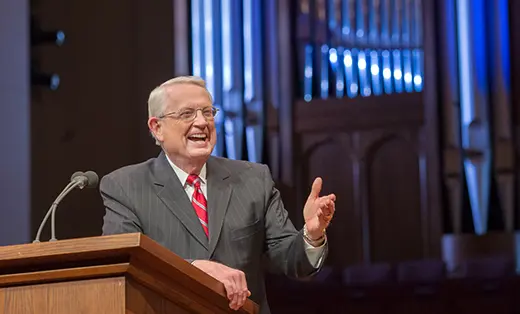
When our bodies fail us, when sickness consumes us, we’ll do next to anything to get well. And when our attempts to find healing fall short, we begin to wonder why God hasn’t intervened. Some of our deepest questions emerge when our suffering is relentless and cruel. Today on INSIGHT FOR LIVING, Chuck Swindoll teaches from the fifth chapter of James … where we find the biblical model for seeking God’s help. If you or a loved one are going through a season of misery, you’ll find hope in this passage. Chuck is addressing SUFFERING, SICKNESS, SIN—AND HEALING.
Message Summary:
- Suffering: Those who are afflicted or distressed should pray for endurance and strength.
- Cheerful: Those experiencing happy times should sing praises.
- Sick: Those who are physically incapacitated should call for the elders of the church.
Message Key Facts:
- Faith Healing vs. Faith Healers: Swindoll distinguishes between believing God can intervene to heal terminal conditions (which he affirms) and believing individuals possess special healing powers (which he rejects).
- The Meaning of "Oil" (James 5:14): Swindoll notes that the Greek word used is aleipho (to rub or apply, often medicinally) rather than chrio (sacred anointing). He concludes that James is commanding the use of the best medical means available alongside prayer.
- Sickness vs. Suffering: James distinguishes between "suffering" (affliction/distress), for which the remedy is personal prayer, and "sickness" (incapacitation), for which one must call for help.
- The Initiative of the Sick: The elders are not expected to use a "crystal ball" to know who is ill; the sick person is required to take the initiative and call for spiritual leaders.
- Sin and Sickness Links: Swindoll outlines that while original sin introduced sickness to the world, personal sin is sometimes the direct cause of sickness (as in 1 Corinthians 11:30), but not always (as in John 9).
- "Confess to One Another": This command does not encourage public displays of confession to a whole congregation, but rather intimate, trusted accountability with a few spiritual friends to prevent sins from building up.
- God’s Will and Healing: Swindoll refutes the idea that it is always God's will to heal, citing Paul’s "thorn in the flesh" and Trophimus, whom Paul left sick at Miletus.
Message References:
- James 5:13–16: The primary text outlining instructions for the suffering, the cheerful, and the sick, including the call for elders and confession.
- 1 Corinthians 11:30: A reference demonstrating that some sickness and weakness can be a direct result of personal sin.
- John 9:1–4: Jesus’ teaching that a man’s blindness was not caused by sin, proving that not all sickness is a result of personal wrongdoing.
- Isaiah 53:5: A verse often cited regarding healing ("by His stripes we are healed"), which Swindoll interprets as referring primarily to spiritual healing.
- Romans 5:12: The theological basis that death and sickness entered the world through original sin.
- Luke 10:34: The Parable of the Good Samaritan, where oil and wine are poured into wounds, illustrating the medicinal use of oil in biblical times.